
Skip the line tickets Paris
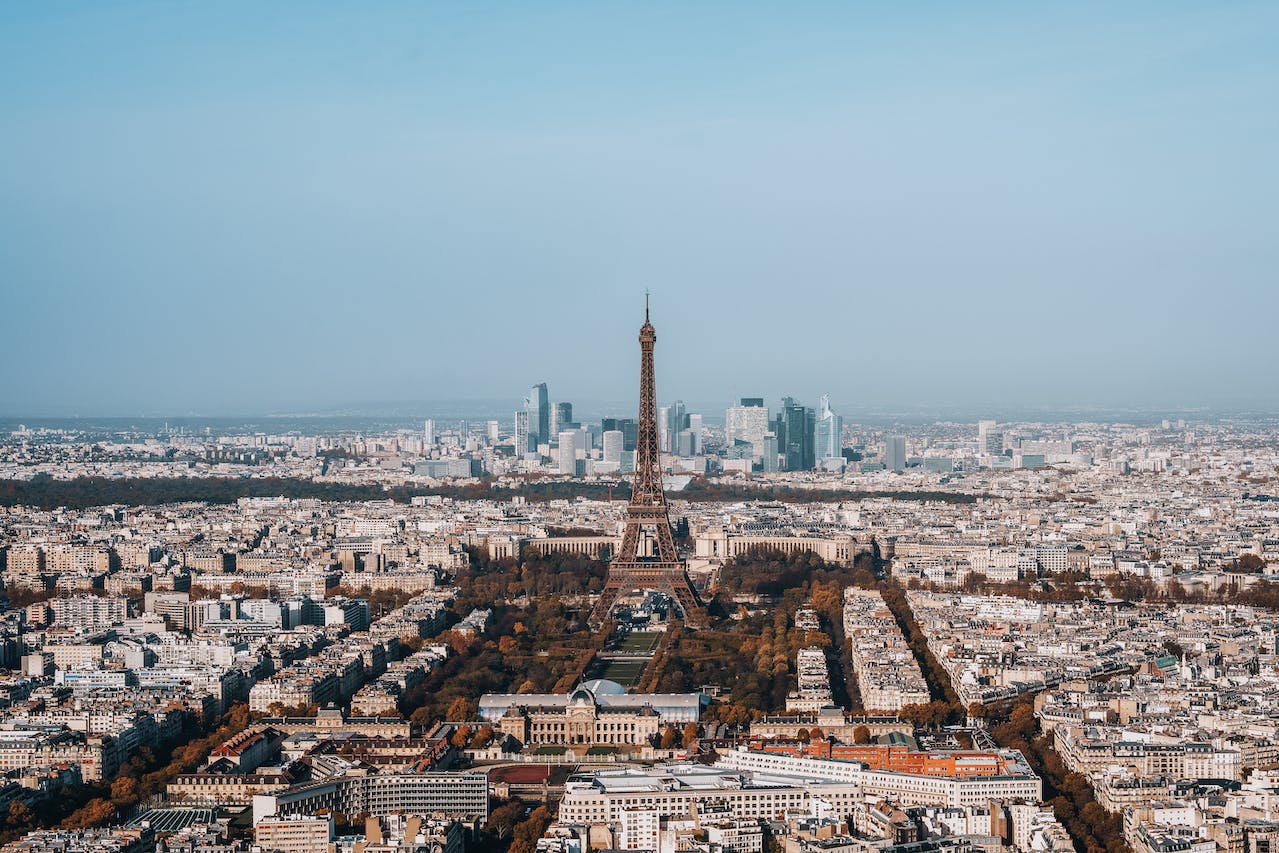
Top Skip The Line Attractions in Paris

Paris Tickets in 2026: What to Book in Advance, What Can Wait, and How Paris Access Really Works
Last updated: April 2026
Paris is one of the easiest cities in Europe to waste time in the wrong queue. The problem is not just crowd levels. It is that each major attraction uses a different access model. Some rely on timed entry, some work best with guided tours, some still require a separate reservation even with a pass, and some do not really fit the classic “skip-the-line” promise at all.
This guide is a planning hub for Paris. It explains where advance booking matters most, what skip-the-line tickets in Paris usually mean in practice, and how to group the city’s top attractions so you spend more time inside and less time correcting a rushed itinerary. If you are looking for attraction-specific detail, use the linked guides for Louvre Tickets, Eiffel Tower Tickets, Musée d’Orsay Tickets, Paris Catacombs Tickets, Arc de Triomphe Tickets, Disneyland Paris Tickets, the Seine River cruise, and Palace of Versailles Tickets.
What “skip-the-line” means in Paris
In Paris, “skip-the-line” is rarely one universal product. In most cases it means one of three things:
- Timed entry: you book a slot in advance and avoid the slowest walk-up ticket bottleneck
- Reserved or hosted entry: you enter through the ticket-holder flow, often with assistance or a guide
- Priority access inside a park: most relevant at Disneyland Paris, where ride access is a separate layer from park admission
What it usually does not mean is skipping security. At the biggest Paris attractions, security screening is part of the visit and should be built into your timing.
Do you really need to book ahead in Paris?
Yes, but not equally for everything.
Paris rewards selective advance booking. You do not need to over-plan every hour, but you do need to lock in the attractions where time slots, tightly controlled capacity, or same-day sellouts are common. The biggest examples are the Eiffel Tower, the Louvre, the Catacombs, Disneyland Paris on busy dates, and Versailles if it is part of a day trip.
Other attractions are easier to fit around a Paris itinerary once your anchor bookings are in place. That is why the right approach is to reserve the hard tickets first, then build the rest of your days around them.
Most popular Paris attractions
These attractions drive the bulk of advance ticket demand in Paris:
- Louvre Tickets — timed entry, skip-the-line, and guided tours with Mona Lisa access
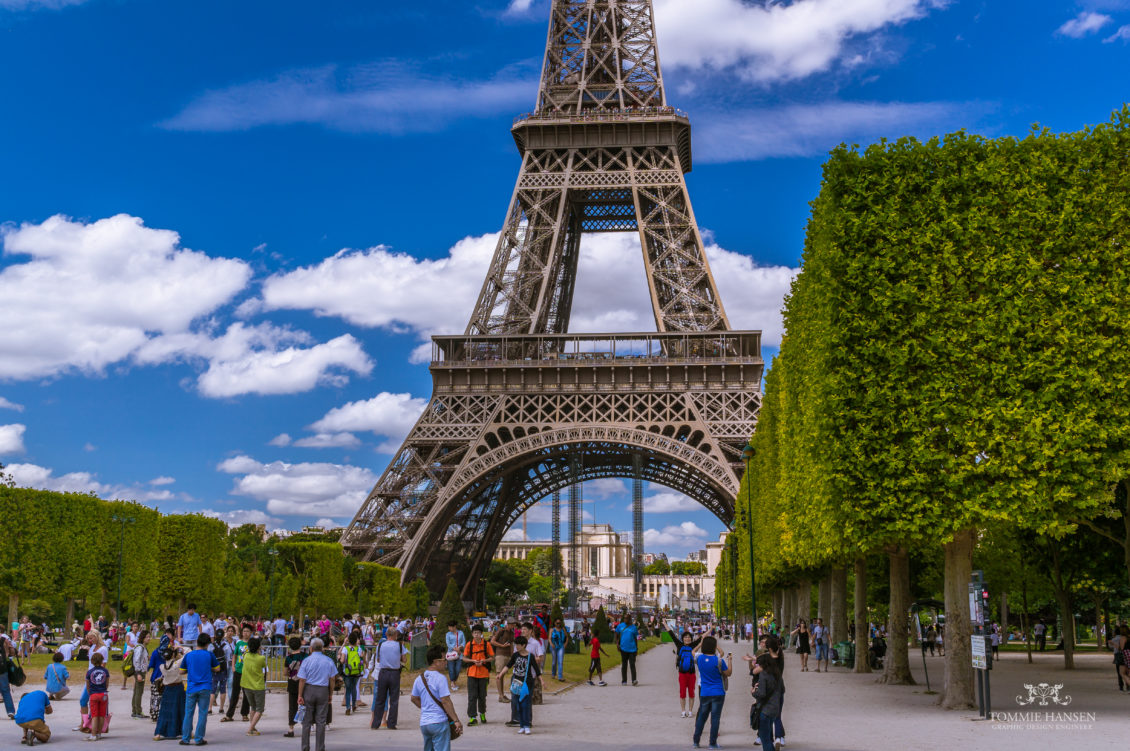
- Eiffel Tower Tickets — summit access, second-floor tickets, and sunset slots
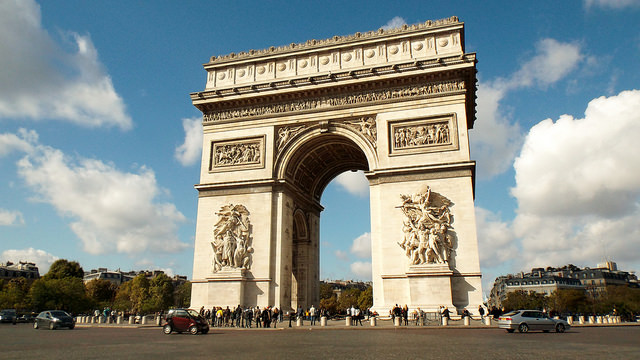
- Arc de Triomphe Tickets — terrace access with panoramic Champs-Élysées views
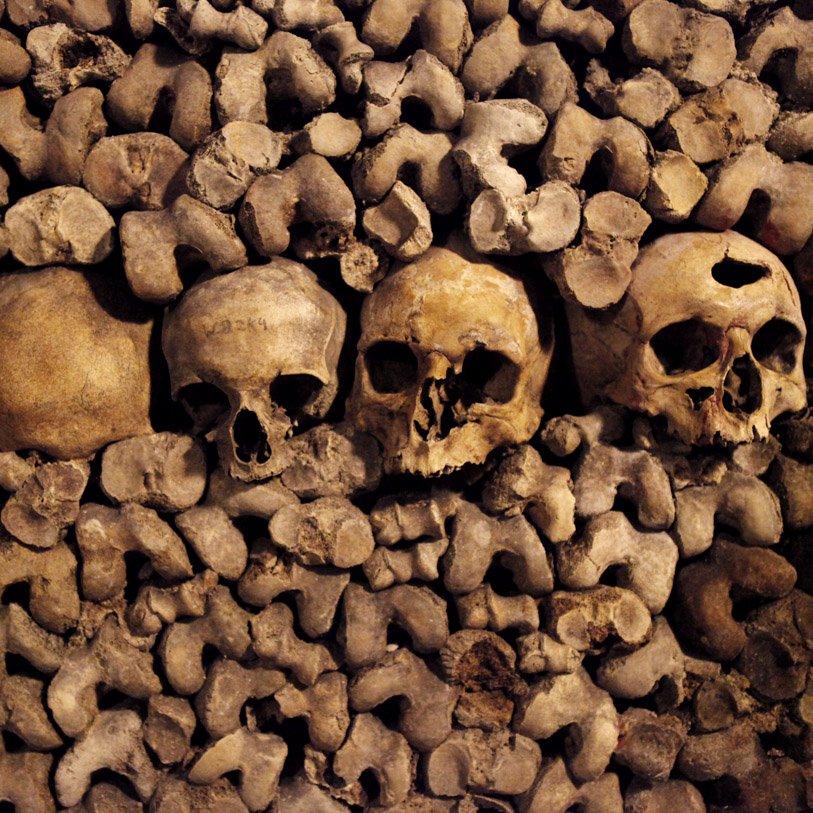
- Paris Catacombs Tickets — timed entry with audio guide and skip-the-line access
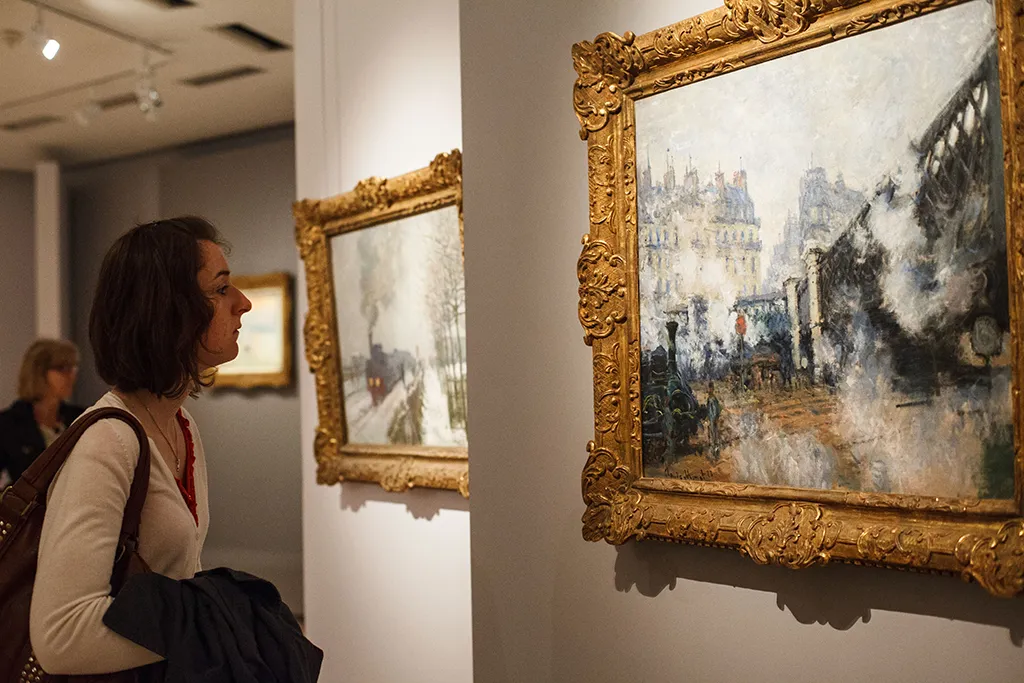
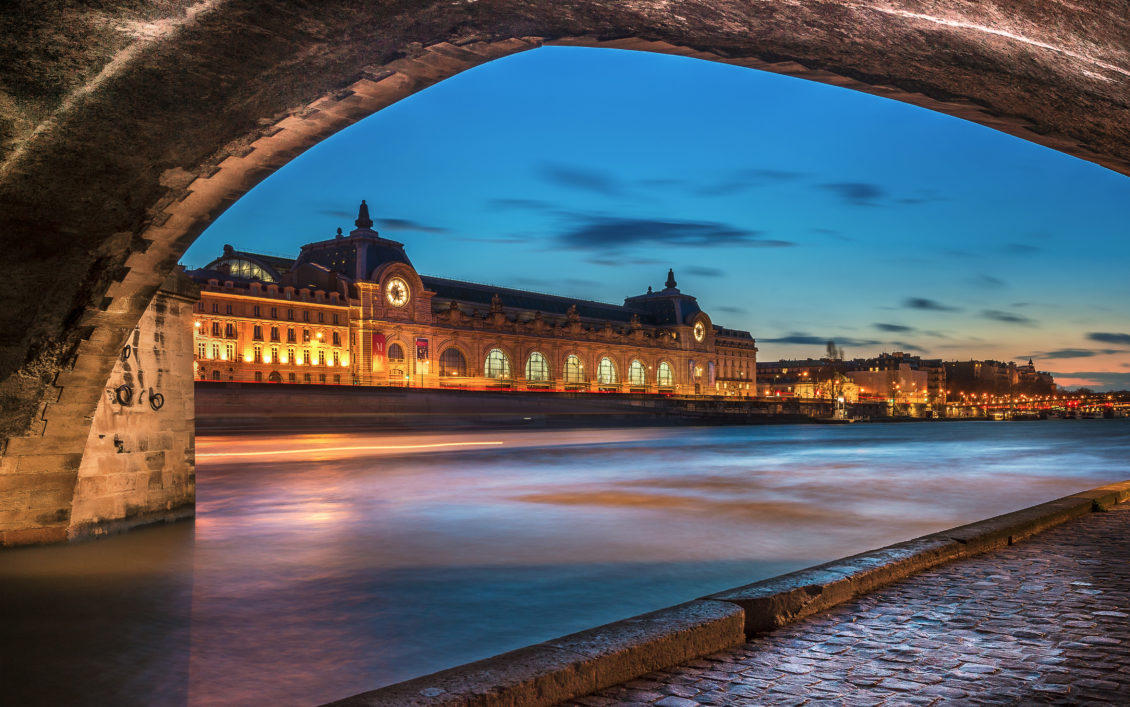
- Musée d’Orsay Tickets — skip-the-line and combo tickets with the Orangerie
- Musée Marmottan Monet Tickets — home to the world’s largest Monet collection
- Seine River Cruise — evening, dinner, and daytime sailings
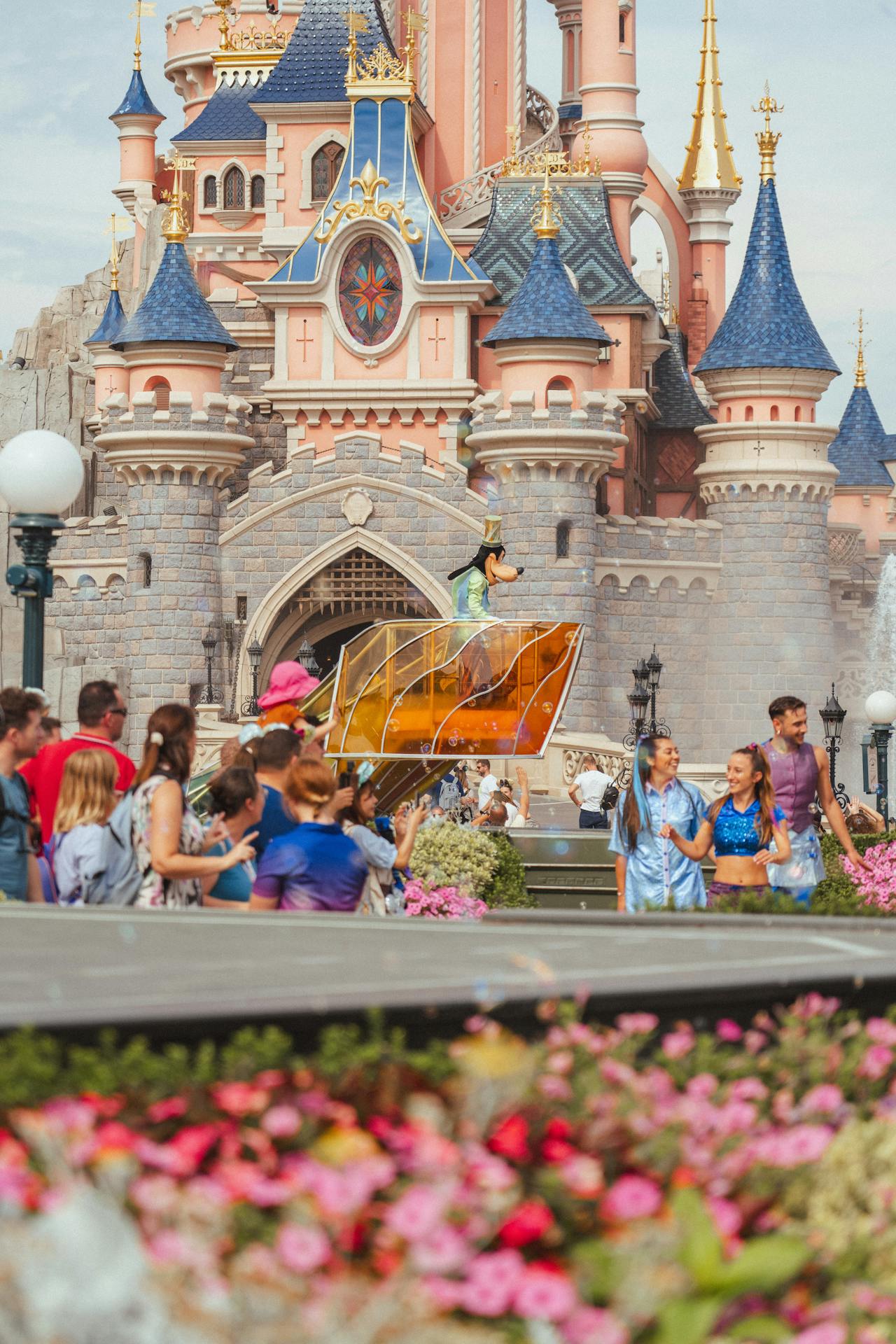
- Disneyland Paris Tickets — single-park, park-hopper, and Premier Access options
- Palace of Versailles Tickets — Château, Gardens, and Trianon access
For all of these, booking in advance is strongly recommended, especially during April–October and on weekends year-round.
Book these Paris attractions first
| Attraction | Booking priority | Why it matters | Best approach |
|---|---|---|---|
| Eiffel Tower | Very high | Strict timed access and the most desirable slots go first | Book early, especially for summit or evening visits |
| Louvre | Very high | Timed entry is the norm and popular slots disappear quickly | Reserve in advance and choose your entry time carefully |
| Paris Catacombs | Very high | Capacity is tight and entry windows are limited | Book a timed ticket as soon as your date is fixed |
| Palace of Versailles | High | It is a full half-day or full-day commitment and transport adds friction | Reserve before you build the rest of that day |
| Disneyland Paris | High | Park entry and ride queues are separate planning layers | Start with a dated ticket, then decide if Premier Access is worth it |
| Musée d’Orsay | Medium | Easier than the Louvre, but still worth pre-booking on busy dates | Good fit for an art-focused day or a museum pass itinerary |
| Arc de Triomphe | Medium | Useful to reserve if you want a specific sunset or evening window | Plan around nearby west Paris sights |
| Seine River cruise | Medium | Usually easier to slot in, but prime evening departures can fill | Book once your major daytime anchors are set |
The simplest rule is this: book the Eiffel Tower, Louvre, Catacombs, Versailles, and Disneyland Paris first. Everything else can be planned around them more easily.
How access works across Paris
Museums with timed entry
The Louvre is the clearest example. Here, the real time-saver is not magical fast-track access but a reserved entry slot. That same logic often applies to other major museums too. If your Paris plan is museum-heavy, timed reservations matter more than broad “skip-the-line” language.
Landmarks with tightly controlled capacity
The Eiffel Tower and the Catacombs are the two Paris attractions where booking strategy matters most. These are not good places to improvise around midday and hope for the best. If they are priorities, they should shape your day from the start.
Attractions where a pass can help, but not replace planning
A Paris city card or museum pass can make sense for museum-focused trips, but it does not remove the need for reservations at every major site. In Paris, a pass is best seen as a cost and convenience tool, not a free pass around logistics.
Parks and experiences with separate queue systems
Disneyland Paris is the main exception to the classic museum model. Your park ticket gets you into the park, but ride waiting times are managed separately. A Seine cruise is different again: it is easier to fit into a day, but the most desirable departures are usually the sunset and evening ones.
Which Paris ticket style should you choose?
| Ticket style | Best for | Main advantage | Things to know |
|---|---|---|---|
| Individual timed-entry tickets | Most first-time visitors | Best control over your schedule | You need to manage each reservation yourself |
| Guided tours | Short stays and high-season trips | Less planning stress and better structure | Higher price and less flexibility |
| Paris Museum Pass or city card | Museum-heavy itineraries | Better value across several visits | Some major attractions still need a separate slot |
| Combination tickets | Travelers trying to simplify booking | Fewer separate transactions | Only worthwhile if the timing fits your actual route |
For most travelers, the best Paris setup is simple: reserve the hard-to-book attractions individually, then decide whether a museum pass still makes financial sense once your must-do list is clear.
How to group Paris attractions logically
Paris becomes much easier once you stop trying to cross the city for every ticket.
Classic first-time Paris day
Pair the Louvre with a lighter second activity rather than another heavy timed attraction. A Seine River cruise works better than trying to add a second major museum and the Eiffel Tower on the same schedule.
West Paris views day
The Eiffel Tower and the Arc de Triomphe combine well, especially if you want skyline views and an evening finish.
Art-focused day
The Musée d’Orsay is often the best partner to a museum-focused itinerary in central Paris. If you are doing several museum visits over two or more days, compare that plan against a Paris city card before buying individual tickets one by one.
Separate full-day commitments
Disneyland Paris should be treated as its own day. The same is true for the Palace of Versailles for most travelers. Trying to squeeze either into a crowded central Paris sightseeing day usually creates unnecessary stress.
History-focused short visit
The Catacombs and the Arc de Triomphe can work well if you want something more structured and less open-ended than a museum-heavy day.
How long a Paris attraction day really takes
At city level, the useful distinction is not exact minutes but heavy versus light visits.
- Heavy visits: Eiffel Tower, Louvre, Versailles, Disneyland Paris
- Medium visits: Musée d’Orsay, Catacombs
- Lighter add-ons: Arc de Triomphe, Seine River cruise
That is why one heavy anchor plus one lighter activity is usually the best formula for Paris. Two heavy attractions in one day can work, but only with careful timing and realistic energy levels.
Opening hours and last entry: why they matter more in Paris than you think
One of the easiest Paris planning mistakes is to look only at opening time and ignore last entry, evening slots, and transit time between sights. Paris attractions do not run on one clean citywide schedule. Some museums close on specific weekdays, some landmarks are strongest at sunset, and some of the best time slots are late in the day rather than early in the morning.
That matters because Paris is not a city where you should stack three rigid reservations too close together. Give yourself margin for security checks, transport, and the simple fact that major sights often take longer than expected.
Best time to visit Paris attractions
- Best overall strategy: first entry slots on weekdays for your biggest priorities
- Best for views: late afternoon or evening for skyline attractions
- Best for museums: avoid the late-morning crush when possible
- Best for family planning: keep one major anchor per day and avoid over-booking
If you are visiting in spring, summer, school holidays, or around long weekends, book major attractions earlier than you think you need to. Paris is forgiving when your plan is light, but not when your key attractions depend on narrow entry windows.
Typical waiting patterns in Paris
The longest and most frustrating waits in Paris usually happen in one of four places: security at major icons, walk-up ticket lines at famous museums, internal ride queues at Disneyland Paris, and transport-heavy day trips where a late start makes everything harder.
That is why the most effective Paris strategy is not to buy every fast-track product you see. It is to understand which bottleneck each ticket actually solves.
Common mistakes visitors make in Paris
- Using “skip-the-line” as if every Paris attraction works the same way
- Booking the Eiffel Tower too late and settling for poor time slots
- Assuming a museum pass removes the need for reservations everywhere
- Trying to do the Louvre and Versailles on the same day
- Treating Disneyland Paris like a half-day add-on
- Ignoring travel time between reservations across the city
- Expecting security checks to disappear with a paid ticket
Frequently asked questions
Are skip-the-line tickets worth it in Paris?
Yes, when they solve a real bottleneck. In Paris, that usually means timed entry, reserved access, or a better-managed arrival, not skipping security entirely.
Which Paris attractions should I book first?
Book the Eiffel Tower, Louvre, Catacombs, Versailles, and Disneyland Paris first. These are the attractions most likely to shape the rest of your itinerary.
Is the Paris Museum Pass enough on its own?
No, not always. It can be excellent value for museum-heavy trips, but some major attractions still require a separate reservation or timed slot.
Can I do the Louvre and Eiffel Tower in one day?
Yes, but only if one of them is your main anchor and the rest of the day stays light. For most first-time visitors, it is better to pair one major landmark with a simpler second activity.
Does skip-the-line mean no security queue in Paris?
No. At Paris’s biggest attractions, security is still part of the process. The usual time-saving benefit is avoiding the slowest ticketing or walk-up bottleneck.
Is Disneyland Paris really a skip-the-line attraction?
Only partly. Park entry and ride queues are separate. A regular ticket gets you into the park, while ride-priority products deal with waiting inside the park.
Final advice
The smartest way to plan Paris is not to buy everything early. It is to reserve the attractions that genuinely need structure, then leave breathing room around them. In practice, that means locking in the Eiffel Tower, Louvre, Catacombs, Versailles, and Disneyland Paris first, then filling the gaps with lighter visits like the Arc de Triomphe, a Seine River cruise, or a second museum.
Paris rewards travelers who understand access, not just attractions. Once you plan around that, the city becomes much smoother.