
Skip the line tickets London
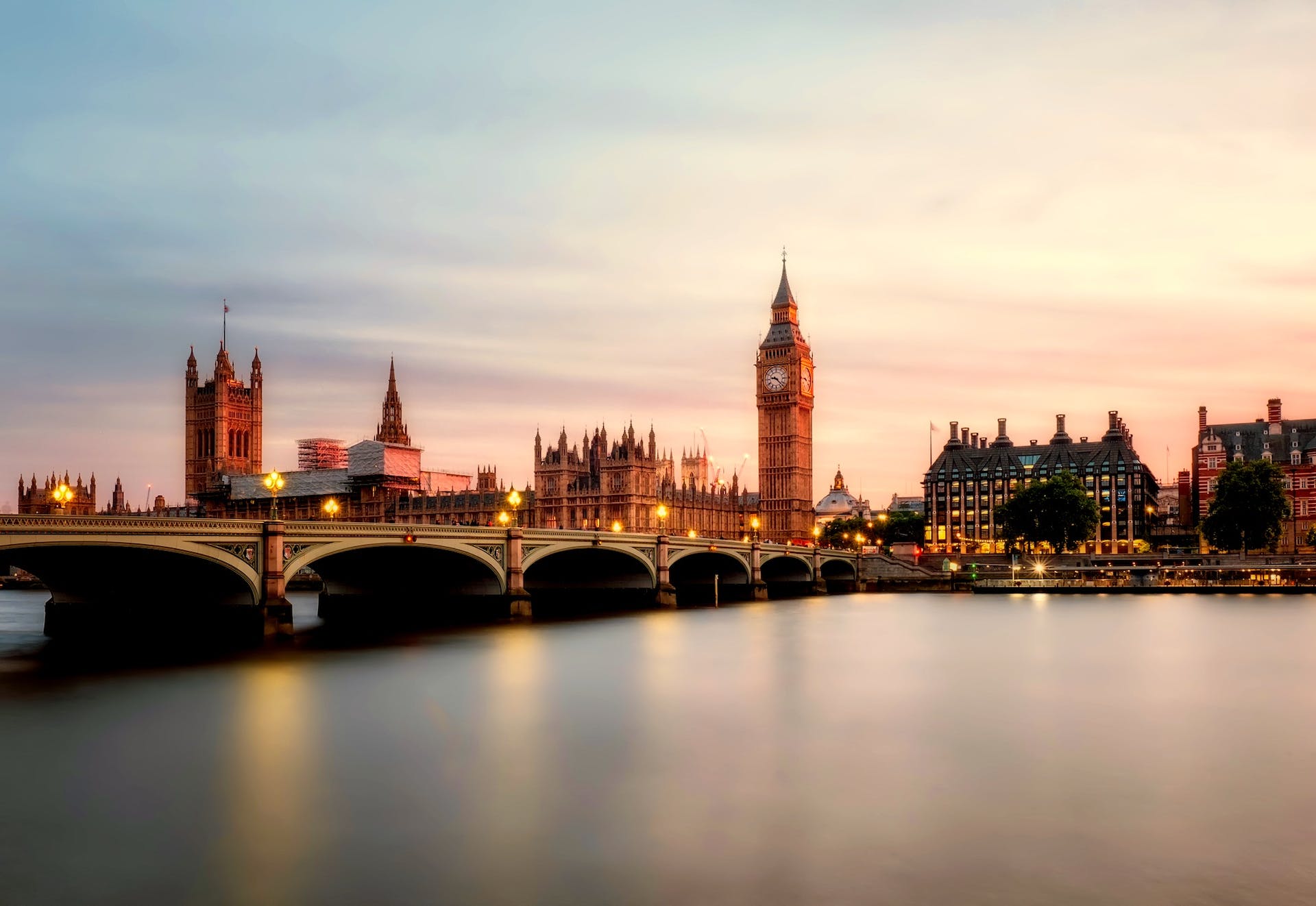
Top Skip The Line Attractions in London
Skip the Line in London 2026: Top Attraction Tickets & What to Book First
Last updated: September 2026
Autumn is an ideal time to explore — summer crowds thin out, temperatures stay comfortable, and you can move through the city at your own pace.
Autumn 2026 tip: London settles into cooler weather (11–17°C) with shorter days — sunset is before 6pm by late October. The Tower of London stays busy through the October half-term; book timed entry online to skip queues. Many of London’s top museums (British Museum, V&A, National Gallery, Tate Modern) are free to enter and make a good rainy-day option this time of year.
London is one of the most visited cities in the world, but it operates very differently from most European destinations when it comes to attractions. While many museums are free, the city’s most popular landmarks rely heavily on timed entry, capacity controls, and advance reservations. This page explains how attraction tickets work in London, when skip-the-line access actually helps, and how to plan visits realistically in a city where crowds are constant.
Skip-the-Line London: Quick Price Overview 2026
| Attraction | Skip-the-Line From | Notes |
|---|---|---|
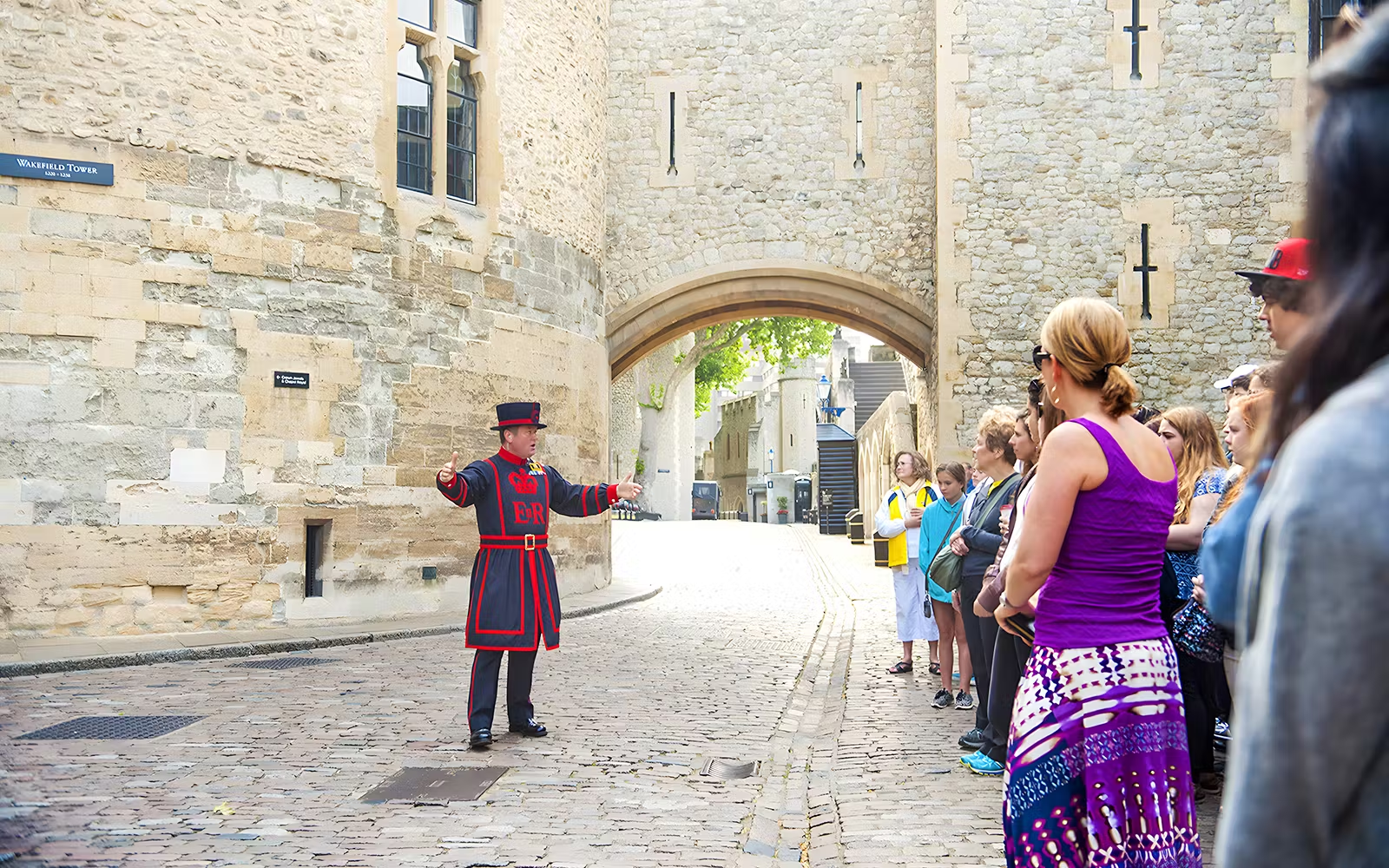
| Tower of London | From £30 (~€35) | Book timed entry — sells out in school holidays |
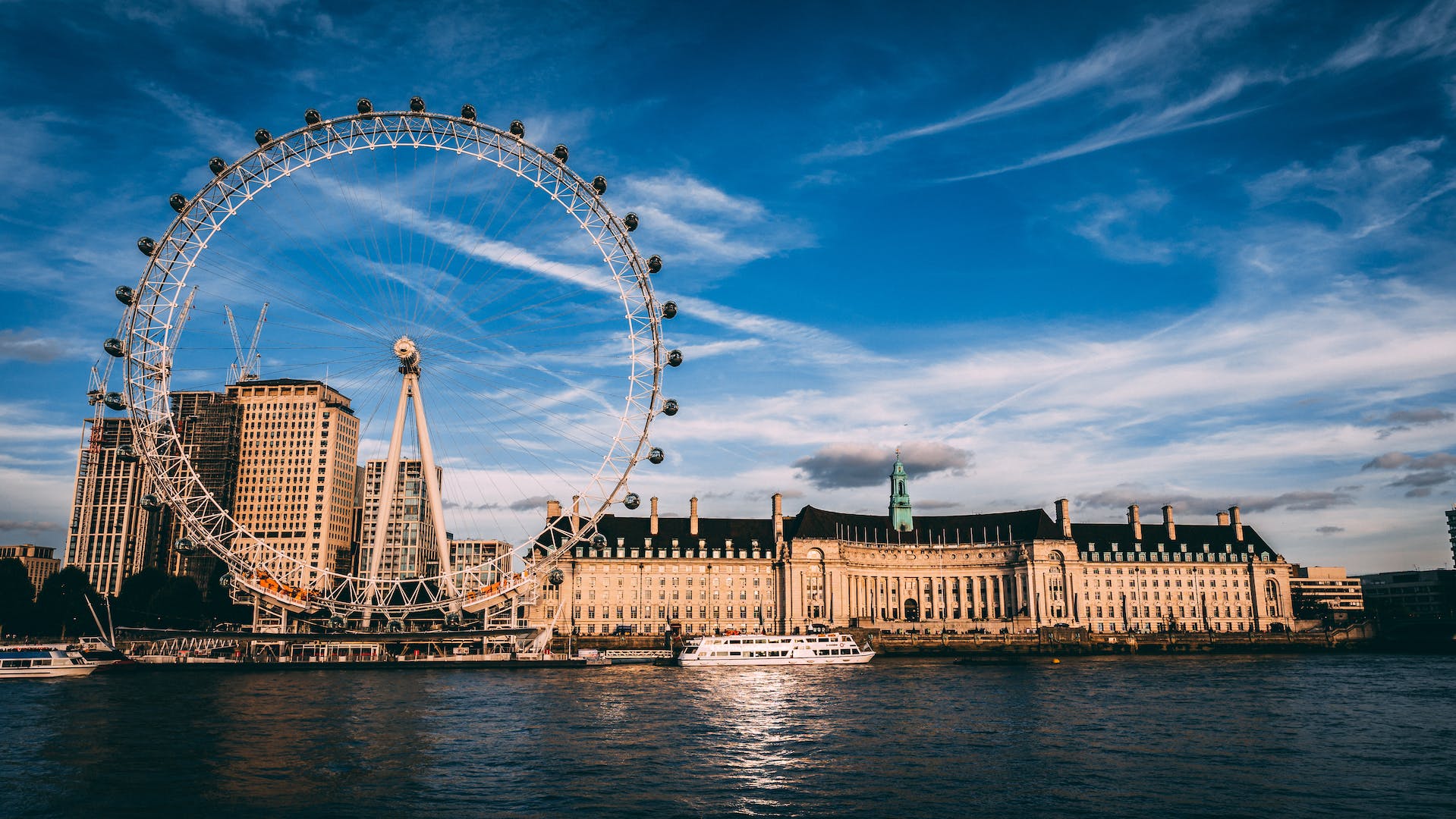
| London Eye | From £27 (~€32) | Standard timed entry; Fast Track from £38 |
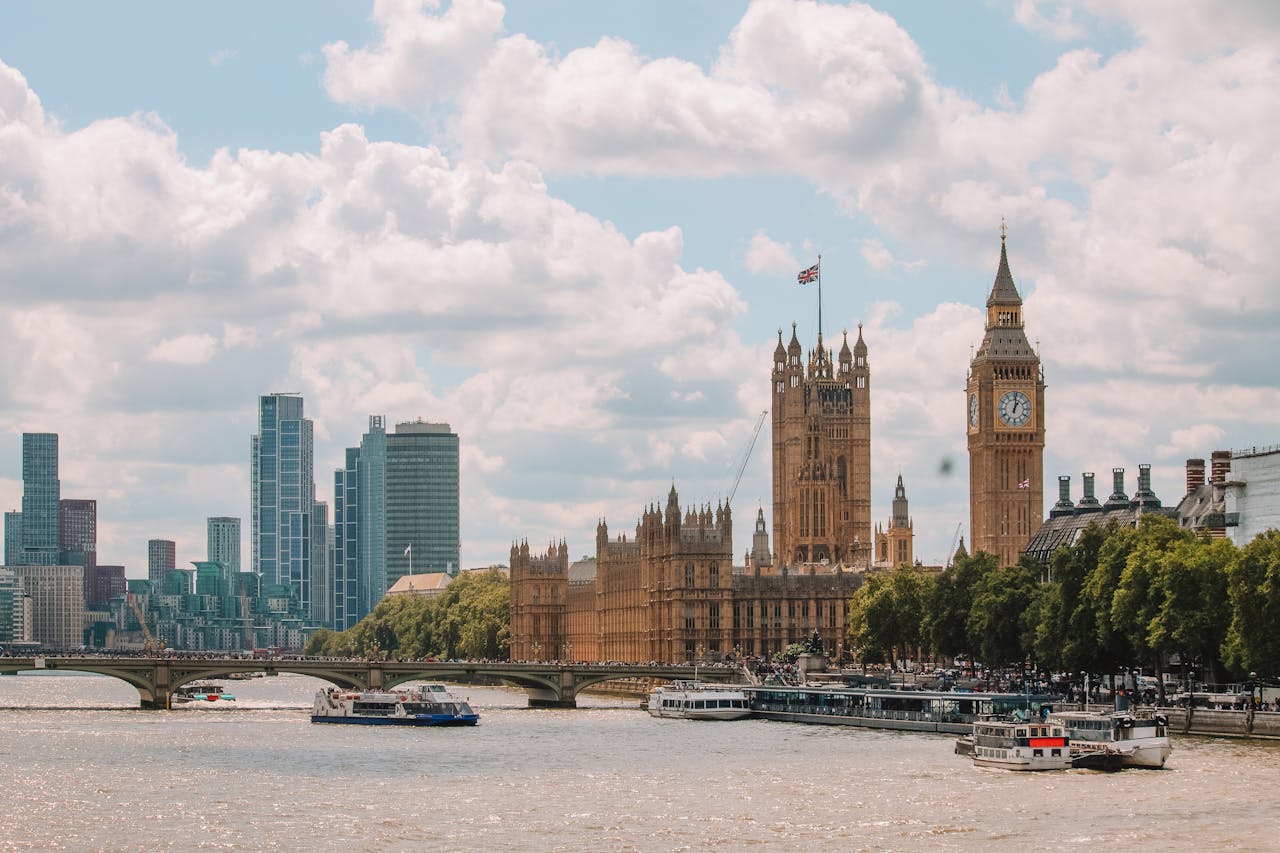
| Westminster Abbey | From £27 (~€32) | No walk-ins — advance booking only |
| The Shard | From £32 (~€38) | Timed entry, morning slots quietest |
| Warner Bros. Harry Potter Studios | From £53 (~€62) | Sells out months ahead — book early |
| Madame Tussauds | From £30 (~€35) | Pre-book to avoid 1–2 hour queues |
| Kew Gardens | From £22 (~€26) | Timed entry recommended in summer |
Prices in GBP; euro equivalent approximate. Free entry: British Museum, Natural History Museum, National Gallery, V&A, Tate Modern — no booking needed but arriving early avoids crowds.
What “skip-the-line” means in London
In London, skip-the-line almost always means pre-booked timed entry, not bypassing security or walking straight inside. Ticket holders enter through a dedicated line at a reserved time slot, avoiding the general ticket purchase queue.
Security screening is mandatory at major landmarks and is never skipped. Even with priority tickets, short waits are normal during peak periods.
Why London works differently from other cities
London’s attraction system is shaped by a unique mix of free museums and paid landmarks. While institutions like the British Museum and the National Gallery do not charge admission, they still operate with capacity limits and timed entry during busy periods.
At the same time, landmarks such as the London Eye, Tower of London, and Westminster Abbey rely almost entirely on advance ticketing. Demand is spread across the entire year due to school holidays, domestic tourism, and international visitors, making London consistently busy even outside summer.
Do you need to book tickets in advance?
For London’s paid attractions, advance booking is strongly recommended. Same-day tickets often sell out or involve long waits, especially on weekends and during school holidays.
- Essential to book ahead: London Eye, Tower of London, Westminster Abbey
- Strongly recommended: St Paul’s Cathedral, popular exhibitions, guided tours
- Free but capacity-controlled: British Museum, National Gallery (timed slots during peak periods)
Opening hours and last entry
Most London attractions open between 09:00 and 10:00 and close between 17:00 and 18:00. Evening openings are common on certain days, particularly for museums and special exhibitions.
Last entry is usually 30–60 minutes before closing. Timed tickets are enforced strictly, and late arrivals may be denied entry.
How entry works at London attractions
- Arrive 10–20 minutes before your reserved time
- Join the timed-entry or ticket-holder queue
- Pass security screening
- Scan your ticket and enter
Mobile tickets are standard and accepted everywhere.
How long visits usually take
- London Eye: 30–45 minutes
- Tower of London: 2–3 hours
- Westminster Abbey: 1–1.5 hours
- Major museums: 2–3 hours
How to plan 1–3 days in London
London rewards realistic planning. Travel time between attractions is significant, and stacking too many visits in one day often leads to rushed experiences.
1 day: Choose one major landmark in the morning and one museum or experience in the afternoon.
2 days: Combine one paid landmark per day with free museums nearby.
3 days: Add a second landmark or guided experience and allow time for neighborhoods.
Booking tickets first and building the day around fixed entry times leads to smoother itineraries.
Best time to visit London attractions
The quietest times are early mornings on weekdays. Weekends, school holidays, and midday periods are consistently busy year-round.
For landmarks, the first and last entry slots of the day tend to be less crowded.
Popular attractions in London
- London Eye
- Tower of London
- Westminster Abbey
- St Paul’s Cathedral
- River Thames Cruises
Ticket options explained
-
- Standard timed-entry tickets: Entry at a fixed time slot
- Skip-the-line tickets: Reserved access avoiding ticket purchase queues
- Guided tours: Often include priority entry and commentary
- Combination tickets: Multiple landmarks or attraction bundles
- City passes: Bundled access to multiple attractions over a fixed number of days, such as the London City Card. These can offer value if you plan several paid landmarks.
Waiting times without tickets
| Attraction | Typical wait without ticket |
|---|---|
| London Eye | 45–90 minutes |
| Tower of London | 30–60 minutes |
| Westminster Abbey | 30–60 minutes |
| Major museums | 15–45 minutes during peak periods |
Common mistakes to avoid
- Assuming free museums mean no queues
- Booking attractions too close together
- Ignoring travel time between sights
- Confusing skip-the-line with skipping security
FAQs about London attraction tickets
Do I need tickets for free museums?
Entry is usually free, but timed reservations may be required during busy periods.
Are skip-the-line tickets worth it in London?
They are most useful for major landmarks and during weekends or holidays.
Do children need tickets?
Many attractions offer free or discounted child entry, but reservations are often still required.
Final advice
London is not a city for spontaneous sightseeing. Booking attraction tickets in advance helps manage crowds, protects your schedule, and makes large distances manageable. Use skip-the-line tickets as a planning tool, not an expectation of empty queues.