
Skip the line City Cards
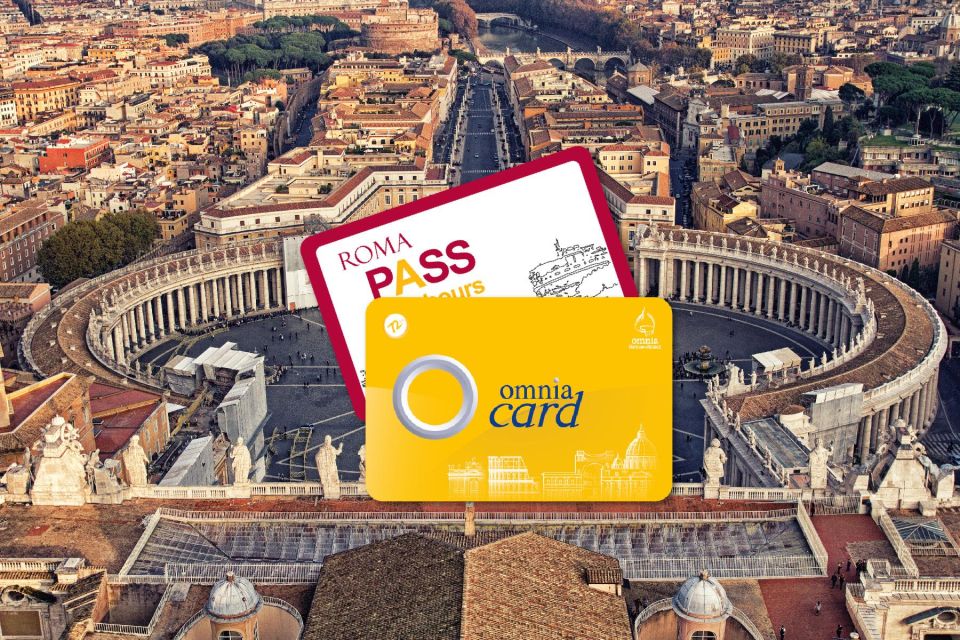
Prices City Cards



Rome City Card: What’s Included, Prices & Is It Worth It?
Updated: January 2026
Rome is one of the busiest sightseeing cities in Europe. Iconic landmarks like the Colosseum, Vatican Museums, and Roman Forum attract millions of visitors every year, and queues can easily dominate your day if you’re not prepared.
If you’re planning to visit multiple paid attractions in a short time, a Rome City Card can simplify planning and help you save time. That said, Rome is not a one-size-fits-all city when it comes to city passes.
This guide explains what Rome City Cards include, what they don’t, current prices, who they’re best for, and when individual tickets make more sense.
What Is a Rome City Card?
A Rome City Card is a sightseeing pass or bundled ticket that typically includes:
-
Access to major archaeological sites and museums
-
Reserved or timed-entry tickets for busy attractions
-
Optional public transport (depending on the card)
-
Discounts or add-ons such as audio guides or hop-on hop-off buses
Unlike some cities, Rome has multiple types of city cards, ranging from official passes to reseller bundles. Choosing the right one depends heavily on your itinerary.
What’s Included with Rome City Cards
Major Attractions & Archaeological Sites
Rome City Cards usually focus on the city’s most famous paid sights, such as:
-
Palatine Hill
-
Capitoline Museums
-
Castel Sant’Angelo
Most individual tickets cost between €15 and €22, which is why bundled access becomes interesting if you plan multiple visits.
Reserved Entry & Time Slots
Many Rome City Cards include pre-booked or reserved entry for the most popular attractions, especially the Colosseum area and the Vatican Museums.
This doesn’t eliminate security checks, but it does help you avoid ticket purchase queues and guarantees a time slot during busy periods.
Public Transport (Selected Cards Only)
Some cards include unlimited access to:
-
Metro
-
Buses
-
Trams
This is useful if you stay outside the historic centre or plan to move frequently between different areas of the city.
⚠️ Important: not all Rome City Cards include public transport. Always check the specific card details.
Rome City Card Options Compared
This is where most travelers get confused. Rome doesn’t have one single “official” city card, instead, there are different passes and bundles, each aimed at a specific travel style.
| Pass Name | Includes | Reserved Entry | Price (from) |
|---|---|---|---|
| Roma Pass (48 hrs) | • Free entry to 1 museum or archaeological site • Unlimited public transport (metro, bus, tram) • Discounts at participating attractions |
⏱️ Yes (selected sites) | €38 |
| Roma Pass (72 hrs) | • Free entry to 2 museums or archaeological sites • Unlimited public transport (metro, bus, tram) • Discounts at participating attractions |
⏱️ Yes (selected sites) | €52 |
| Rome Tourist Card | • Colosseum, Roman Forum & Palatine Hill (timed entry) • Vatican Museums & Sistine Chapel (timed entry) • Pantheon with audio guide • Optional add-ons (airport transfer, guided tours) |
⏱️ Yes (timed-entry tickets) | €91 |
| Best of Rome + Public Transport (bundle pass) |
• Colosseum, Roman Forum & Palatine Hill • Vatican Museums & Sistine Chapel • Hop-on Hop-off Bus (24 hrs) • Unlimited public transport • Audio guides for major attractions |
⏱️ Yes (timed-entry tickets) | €115 |
Prices and inclusions may vary by provider. Always check the exact conditions before booking.
Rome City Card Prices (Overview)
Prices vary depending on the type of card and inclusions, but you can generally expect:
-
Roma Pass (48 hours) – lower-cost option with transport
-
Roma Pass (72 hours) – better value for multiple attractions
-
Bundled Rome Tourist Cards – higher upfront cost, but include top sights with reserved entry
Cards that include Colosseum time slots and Vatican Museums entry are usually more expensive but save planning time.
Where to Buy a Rome City Card
Online (Recommended)
-
Clear overview of inclusions
-
Secure attraction time slots in advance
-
No queues at ticket offices
On Site
-
Tourist information desks
-
Limited availability
-
No guarantee of preferred entry times
For most visitors, buying online is the safest option, especially during high season.
Is a Rome City Card Worth It?
✅ Worth It If You:
-
Plan to visit the Colosseum plus 2 or more paid attractions
-
Want reserved entry for busy sites
-
Stay in Rome for 2–3 days
-
Prefer one combined booking instead of multiple tickets
❌ Not Worth It If You:
-
Mainly want Vatican Museums only
-
Prefer slow-paced sightseeing over several days
-
Stay longer than 4 days
-
Only plan to visit one major attraction
Sample Cost Comparison (72 Hours)
If you plan to visit:
-
Colosseum / Forum / Palatine
-
Capitoline Museums
-
Castel Sant’Angelo
-
Use public transport daily
Individual tickets can quickly approach the price of a city card, without the convenience of reserved entry.
How to Use a Rome City Card
-
Available as a physical or digital card, depending on the provider
-
Activated on first attraction entry or transport use
-
Valid for consecutive hours, not calendar days
👉 Always reserve Colosseum time slots as early as possible.
Rome City Card vs Individual Tickets
Rome City Card
-
Best for short, attraction-heavy itineraries
-
Simplifies planning
-
Helps secure entry times in advance
Individual Tickets
-
Better for Vatican-focused trips
-
More flexibility across multiple days
-
Often cheaper for slower travel styles
Many visitors choose a combination approach: a Rome City Card for ancient sites plus separate Vatican tickets.
FAQs – Rome City Card
Is a Rome City Card skip-the-line?
Many cards include reserved or timed entry. Security checks still apply.
Does it include Vatican Museums?
Some bundled cards do, but many official passes do not. Always check.
Is public transport included?
Only with selected cards, such as Roma Pass.
Can I share one card?
No. Each card is valid for one person.
Final Verdict: Should You Buy a Rome City Card?
If your visit to Rome is short and focused on major paid attractions, a Rome City Card can save time and simplify your itinerary — especially around the Colosseum area.
If your trip is slower or centered on the Vatican and neighbourhood exploration, individual tickets are often the better choice.
For most first-time visitors, the smartest setup is a Rome City Card combined with pre-booked Vatican tickets, practical, flexible, and realistic for how Rome actually works.