
Skip the line-Tickets Rom
Top Skip The Line Attraktionen in Rom
Rome Skip-the-Line Tickets in 2026: What to Book First, How Entry Works, and How to Plan Without Wasting Time
Zuletzt aktualisiert: April 2026
Rome is one of the most rewarding cities in Europe, but also one of the easiest to misplan. Long queues, strict timed entries, and attractions spread across different parts of the city mean that poor planning quickly turns into lost hours.
This guide explains exactly how skip-the-line tickets in Rome work, which attractions require advance booking, and how to structure your days so you avoid unnecessary waiting.
Use this as your planning hub before booking tickets for the Kolosseum, Vatikanische Museen, Petersdom, die Pantheon, or a Rome city pass.
What “skip-the-line” means in Rome
In Rome, skip-the-line is not one universal product. It usually refers to one of the following:
- Timed entry tickets that let you avoid on-site ticket queues
- Reserved access through pre-booked time slots
- Guided or hosted entry where logistics are managed for you
- Special-access tickets (such as Colosseum arena or underground)
What it does nicht mean is skipping security. At the Colosseum, Vatican, and St Peter’s Basilica, security checks are mandatory and can still involve waiting.
Do you really need skip-the-line tickets in Rome?
Yes, but only for specific attractions.
Rome is not a city where you need to pre-book everything. The key is to reserve the attractions that are:
- capacity-controlled
- time-slot based
- regularly sold out
Everything else can be planned around those fixed points.
What to book in advance in Rome
| Attraktion | Booking priority | Why it matters | Best approach |
|---|---|---|---|
| Kolosseum | Very high | Strict timed entry, limited capacity | Book early, especially for arena or underground |
| Vatikanische Museen | Very high | Long queues, fixed entry times | Reserve a time slot or guided entry |
| Galerie Borghese | High | Limited timed sessions | Book as soon as dates are fixed |
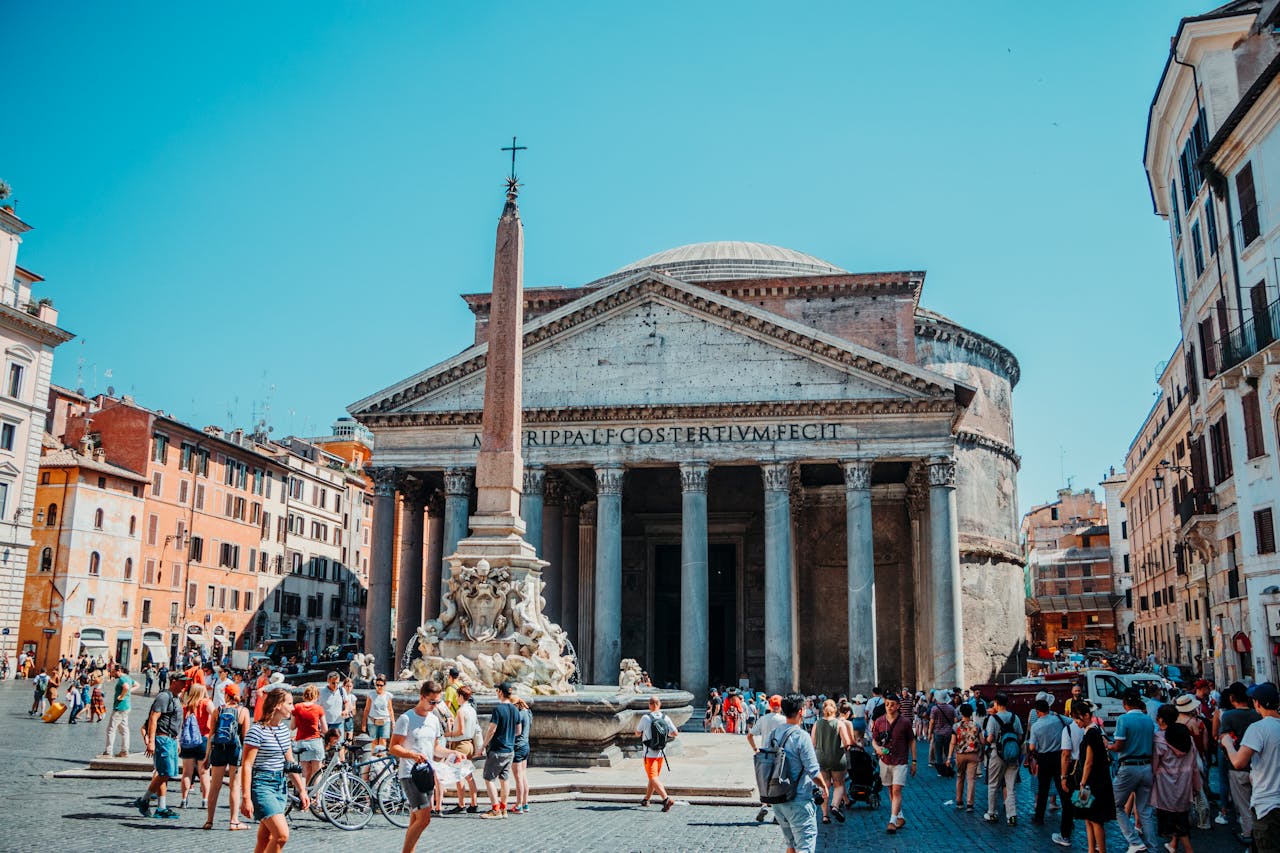
| Pantheon | Medium | Queues can build quickly | Pre-book if your schedule is tight |
| Petersdom | Medium | Security queue is the main delay | Visit early or late |
If your time in Rome is limited, start with the Kolosseum und Vatikanische Museen. These two attractions will shape your entire itinerary.
How entry works at Rome’s main attractions
Colosseum and Ancient Rome
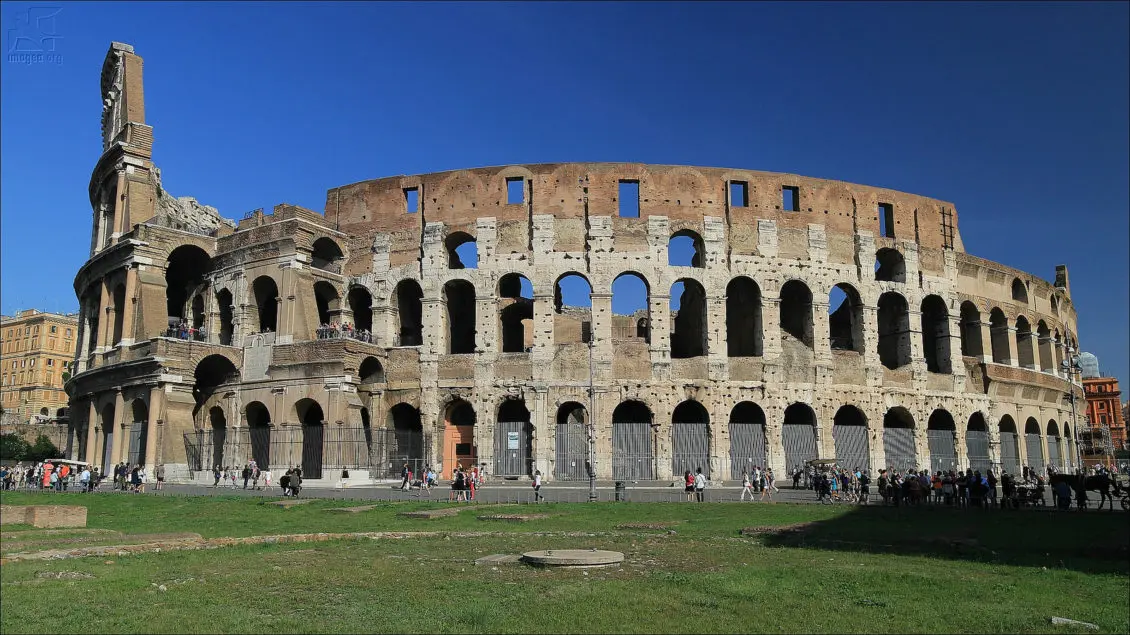
Die Kolosseum uses timed entry. Your ticket includes access to the Roman Forum and Palatine Hill, but your entry time is fixed for the Colosseum itself.
- Arrive 15–30 minutes early
- Enter via your assigned line
- Sicherheitskontrolle bestehen
- Explore Forum and Palatine flexibly after
This is one of the least flexible attractions in Rome, so it should anchor your day.
Vatikanische Museen und Sixtinische Kapelle
Die Vatikanische Museen operate with strict time slots and a fixed visitor flow.
- Timed entry is required
- Security queues still apply
- The visit follows a one-way route ending at the Sistine Chapel
Guided tours can make this experience smoother, especially during peak season.
Petersdom
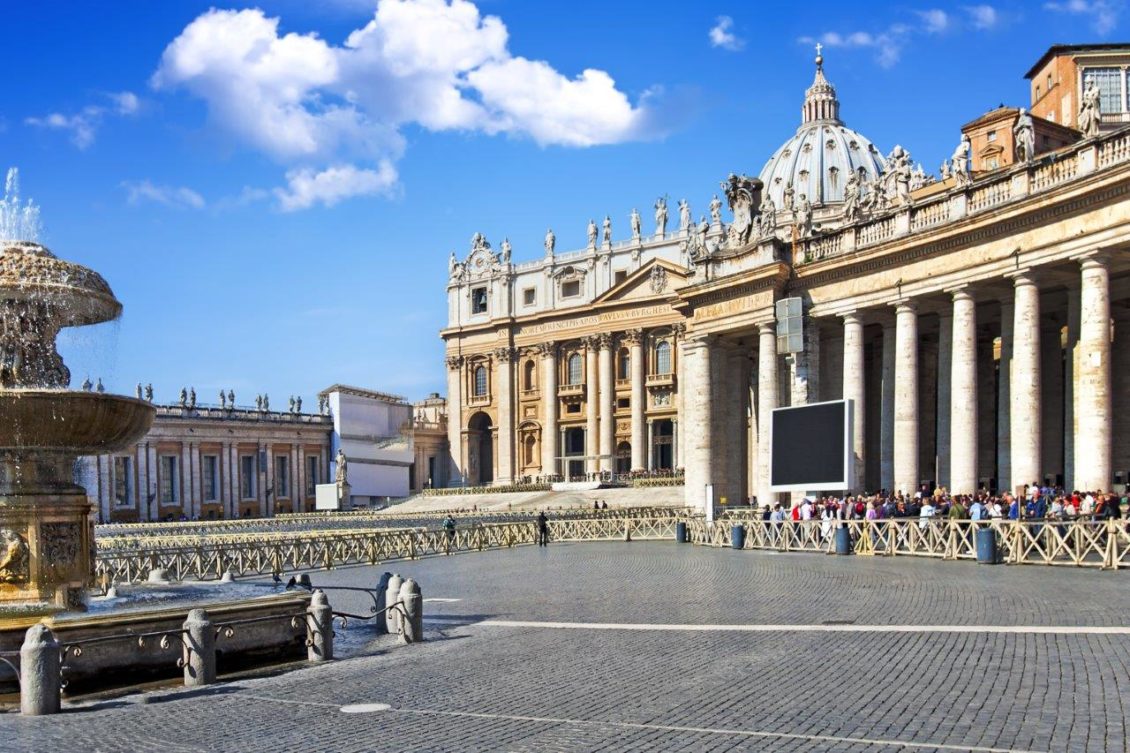
Petersdom does not function like a typical ticketed attraction.
- Entry is free but controlled by security
- Queues can be long, especially mid-day
- Best visited early morning or late afternoon
Most “skip-the-line” options here relate to guided access rather than true queue elimination.
How to plan your Rome itinerary efficiently
Day 1: Ancient Rome
Focus on the Kolosseum, Roman Forum, and Palatine Hill. Avoid stacking another heavy attraction immediately after.
Day 2: Vatican area
Combine the Vatikanische Museen with Petersdom. Leave the rest of the day flexible.
Flexible central Rome
Use lighter attractions like the Pantheon to fill gaps between major bookings.
Is a Rome city pass worth it?
A Rome city pass can be useful, but only for specific travel styles.
It works best if you:
- plan multiple paid attractions
- want bundled transport or convenience
It is less useful if your trip focuses mainly on the Colosseum and Vatican.
How long Rome attractions really take
- Heavy visits: Colosseum, Vatican Museums, Borghese Gallery
- Medium visits: Petersdom
- Light visits: Pantheon and central stops
Most days should include one heavy attraction and one lighter activity.
Best time to visit Rome attractions
- Book early morning slots for major attractions
- Avoid mid-day entries when possible
- Use late afternoon for flexible sightseeing
Rome rewards balanced schedules more than tightly packed itineraries.
Häufig zu vermeidende Fehler
- Trying to visit the Colosseum and Vatican back-to-back without buffer
- Assuming skip-the-line means no security queues
- Buying a city pass without checking actual usage
- Underestimating travel time between attractions
- Overbooking multiple timed entries in one day
Häufig gestellte Fragen
Are skip-the-line tickets worth it in Rome?
Yes, especially for the Colosseum and Vatican Museums where queues are longest.
Can I visit the Colosseum and Vatican in one day?
Yes, but it creates a busy schedule. Most visitors benefit from splitting them across two days.
Do skip-the-line tickets include security?
No. Security checks are always required.
Do I need to book Rome tickets in advance?
For major attractions, yes. For smaller ones, it depends on your schedule.
Is the Pantheon worth booking in advance?
Only if you want to avoid waiting during busy periods.
Letzter Ratschlag
The key to visiting Rome efficiently is not buying the most expensive tickets. It is understanding which attractions require structure and which do not.
Book the Kolosseum und Vatikanische Museen first, then build the rest of your itinerary around them. Keep central Rome flexible, and avoid stacking too many rigid time slots in one day.
Once you plan around access instead of just attractions, Rome becomes much easier to navigate.
Aktuelle Ausstellungen in Rom